late July, early August 2026
The second small project following up CODE VIKING 1942-2021 took place in the summer of 2026. Five years after experiencing a serious bus accident, we visited each other and reported on our latest research: first to an audience in Berlin, then in Kumane.
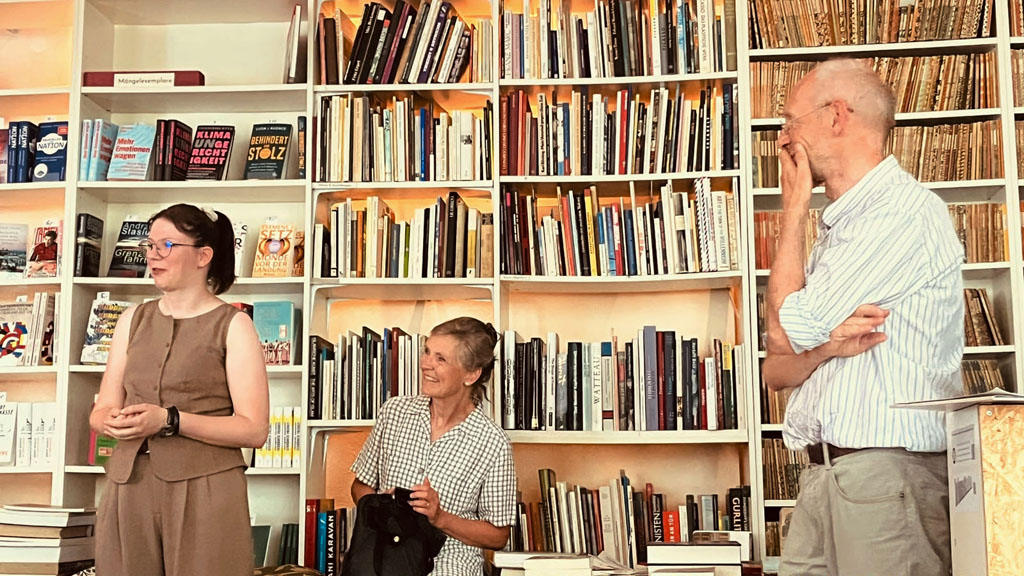
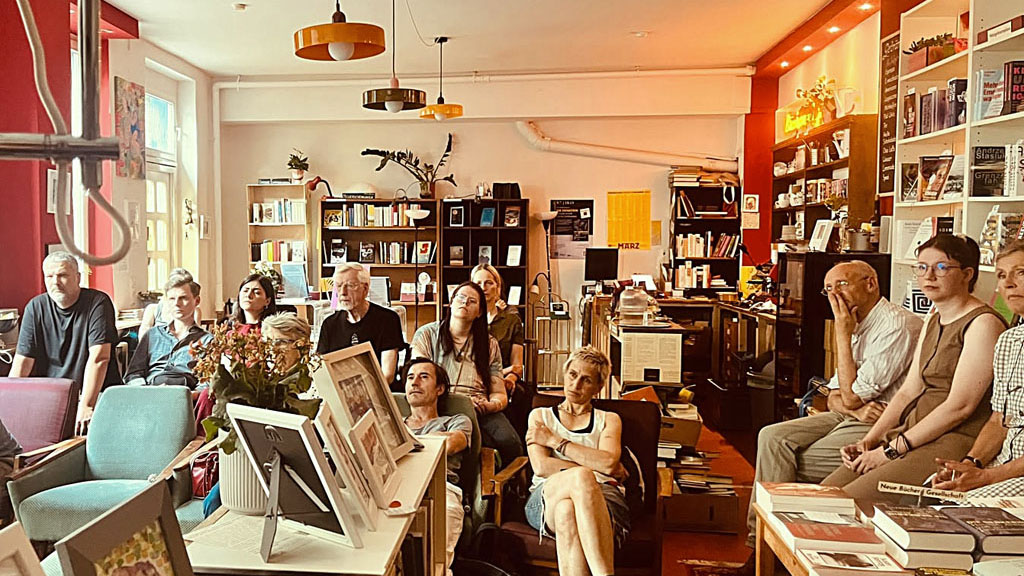
In July 2026, Marina traveled to Berlin and screened her short film TEACHER FROM KUMANE on July 15. In the audience discussion, Marina (along with Hanna and Christian) talked about her research on location in
Novi Bečej and exploring her own family history.
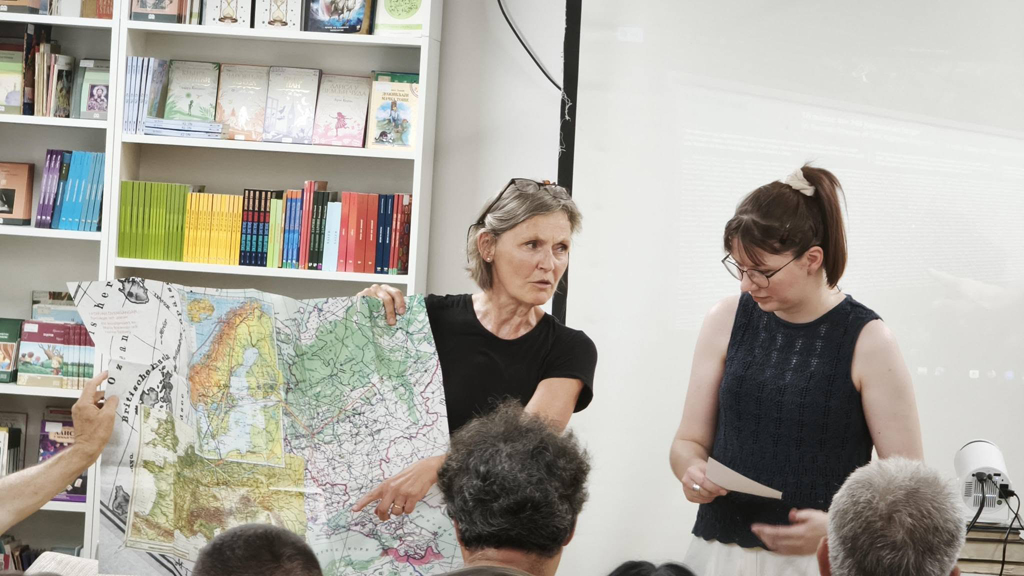
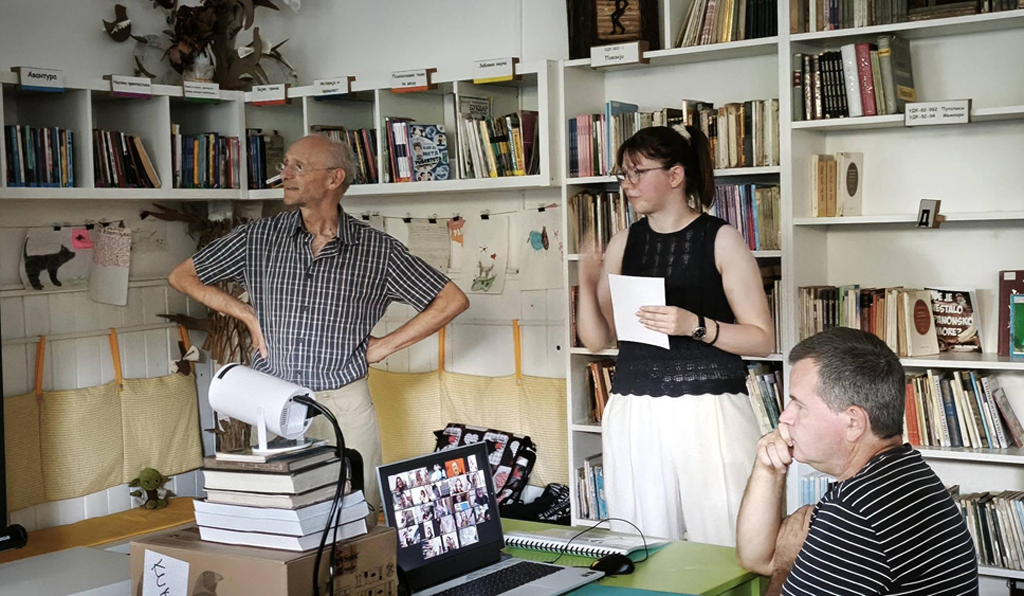
In August 2026, Hanna and Christian traveled to the Voivodina, visiting Novi Bečej, Novi Sad and Zrenjanin. On August 5 they discussed Vajswerk’s research on Nazi-era forced labor in Norway; for the first time, Marina presented her short film and her new storytelling technique to a local audience.
Marina’s Berlin presentation on July 16 was followed by Hanna’s on August 30, both as part of Vajswerk’s event series showcasing research projects. In Berlin, as she did in Kumane, Hanna also talked about Petar Filipović’s escape from German captivity from Norway to Sweden.
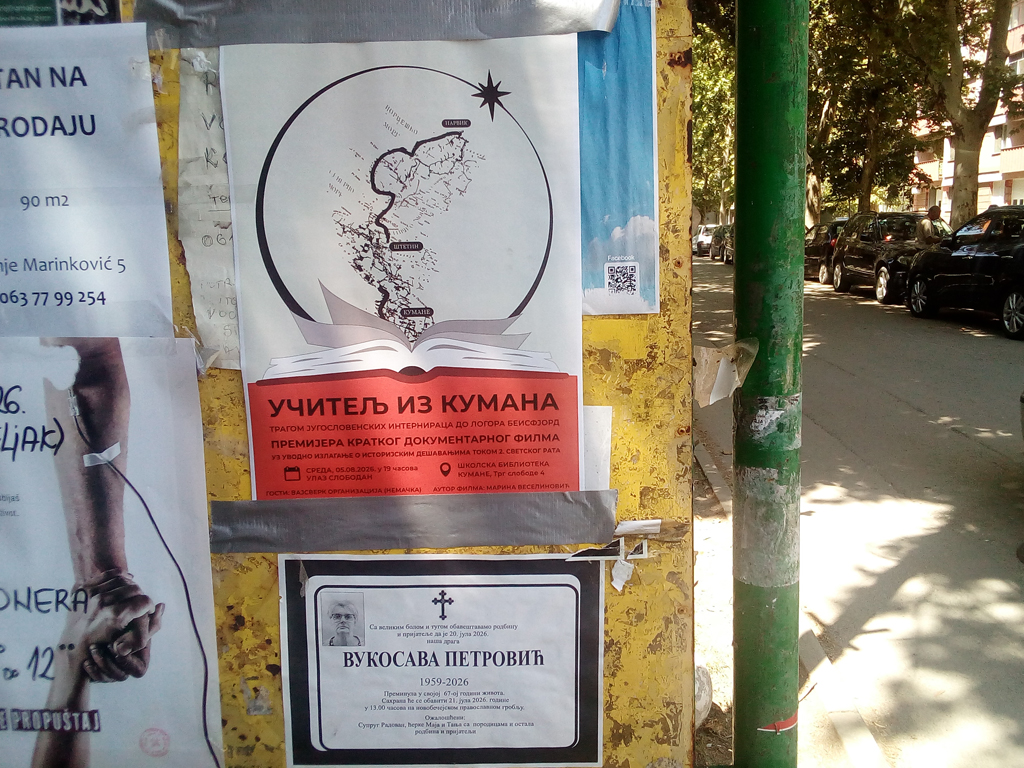

The notice board in Novi Bečej with a poster for TEACHER FROM KUMANE, also mentioning German guests from the Vajswerk research collective.
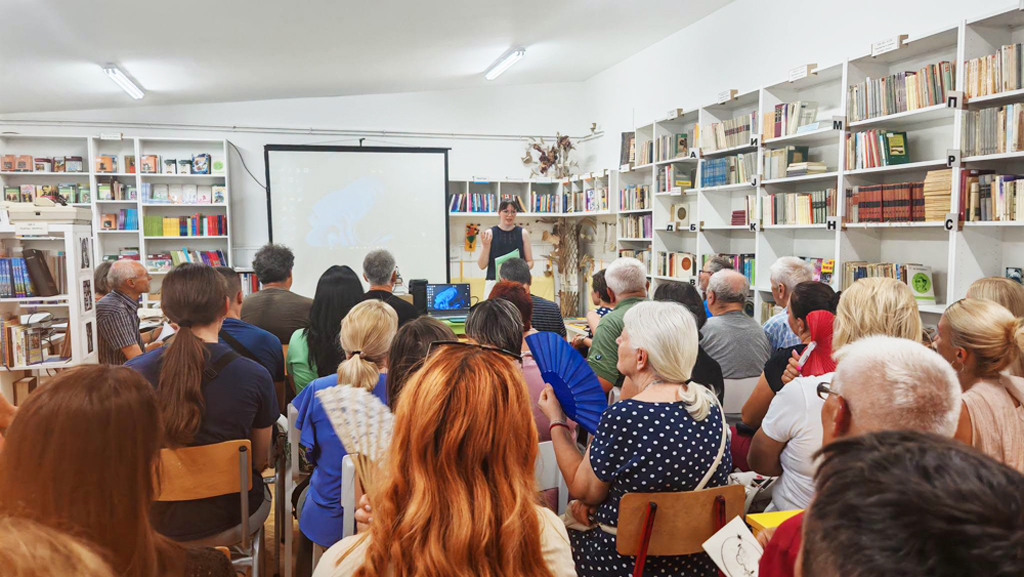
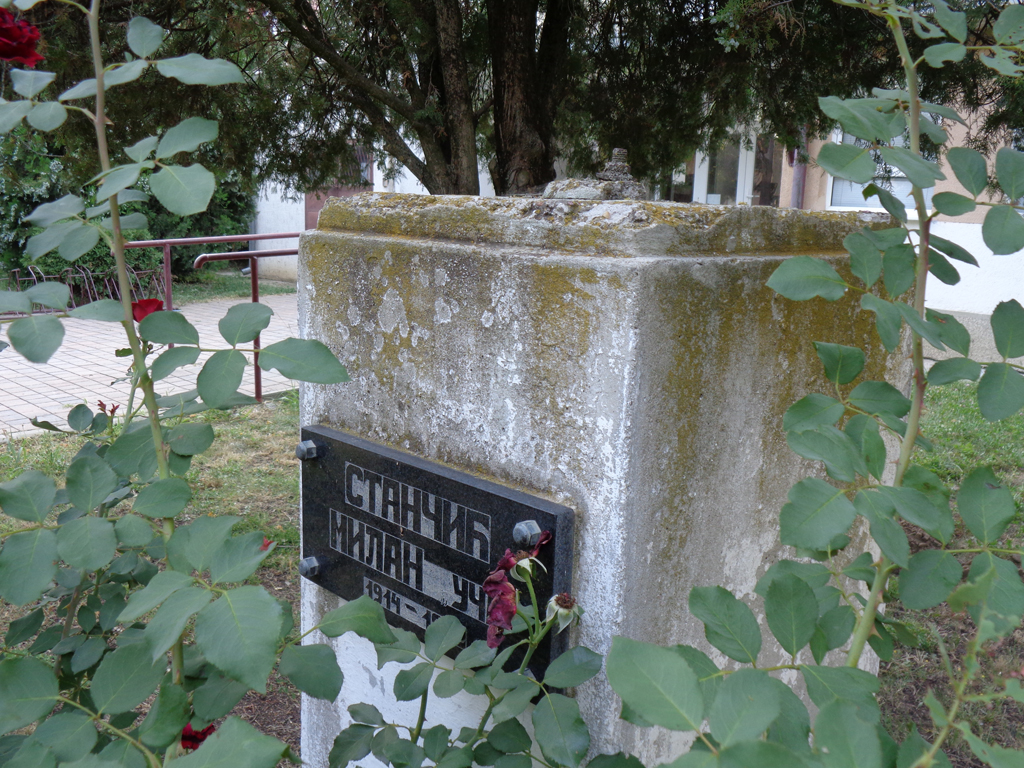
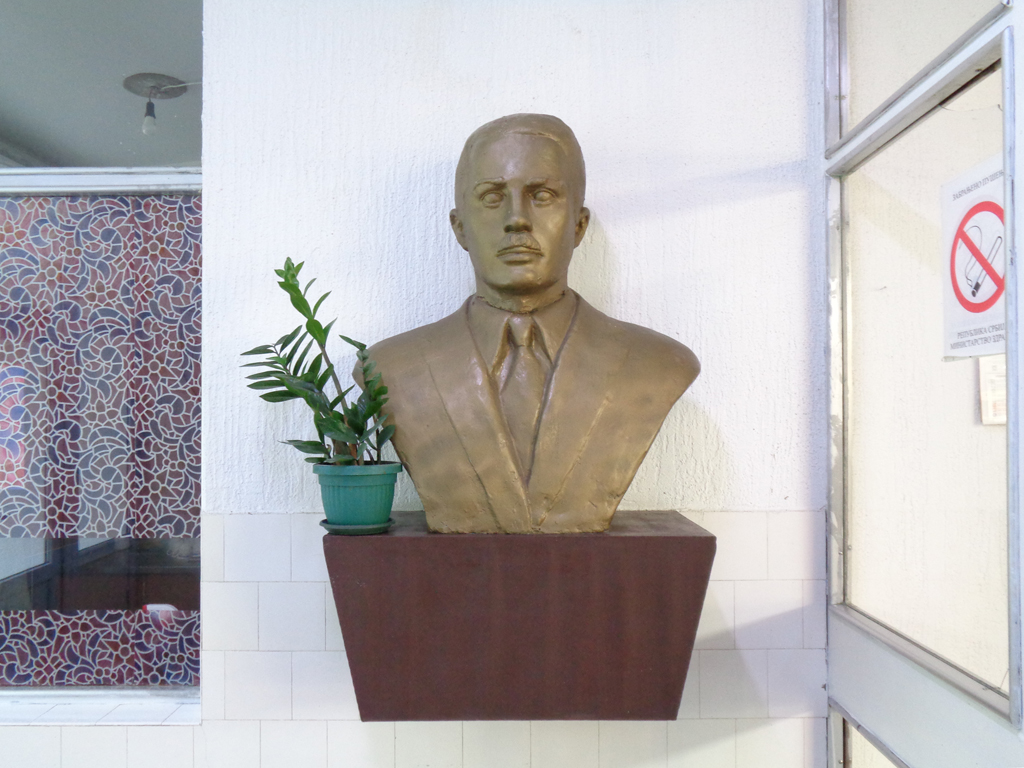
The venue in Kumane was the library of the local school where Milan Stancić taught. The audience included descendants of other forced laborers who had been deported from German-occupied Serbia to German-occupied Norway.
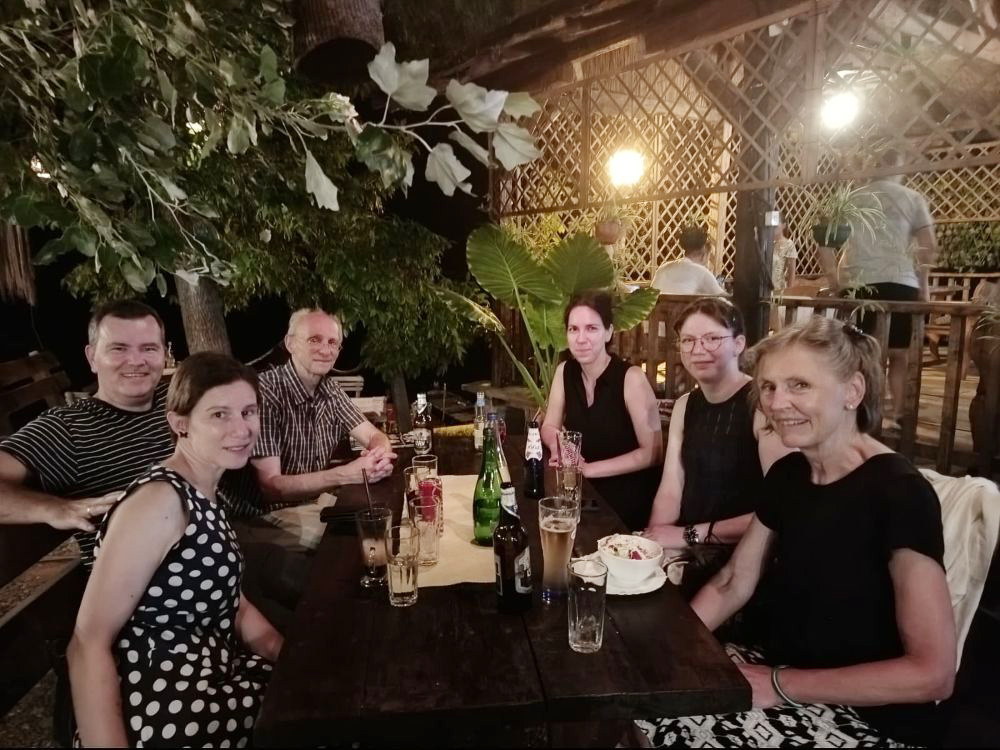
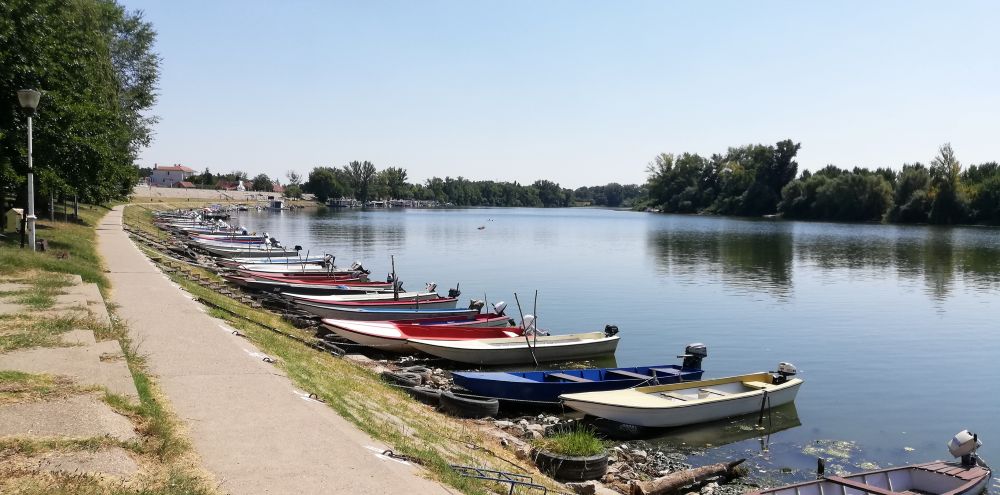
Veronika, Nenad und Milica also attended the event in Kumane. Like Marina, Hanna und Christian, Veronika and Nenad were passengers in the bus that crashed en route from Belgrade to Berlin. That evening by the Tisza River they shared their memories from the summer of 2021.
In TEACHER FROM KUMANE, Marina tells the story of a brother of her great-grandfather, a resistance fighter who was arrested and later shot as a forced laborer in the German camp of Bejsfjord near Narvik. The film works with documents, AI-generated images and Marina’s voiceover.
TV Novi Bečej reported on the August 5 event in Kumane, including interviews with Marina, Hanna and Christian. The English translation is available as a PDF. At the same time, SPIEGEL-Geschichte and the Frankfurter Rundschau published articles referring to Vajswerk’s research on Nazi-era forced labor.
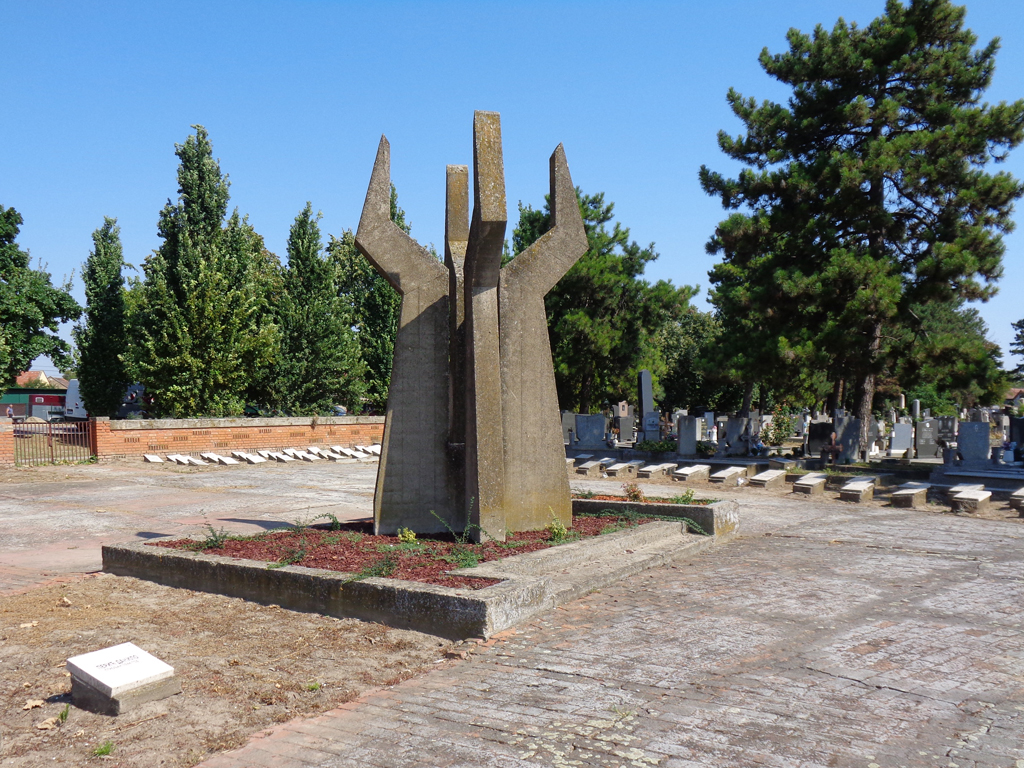
In Novi Bečej’s cemetery the time of World War II, the German occupation and the armed resistance lives on – in the form of graves from socialist Yugoslavia.
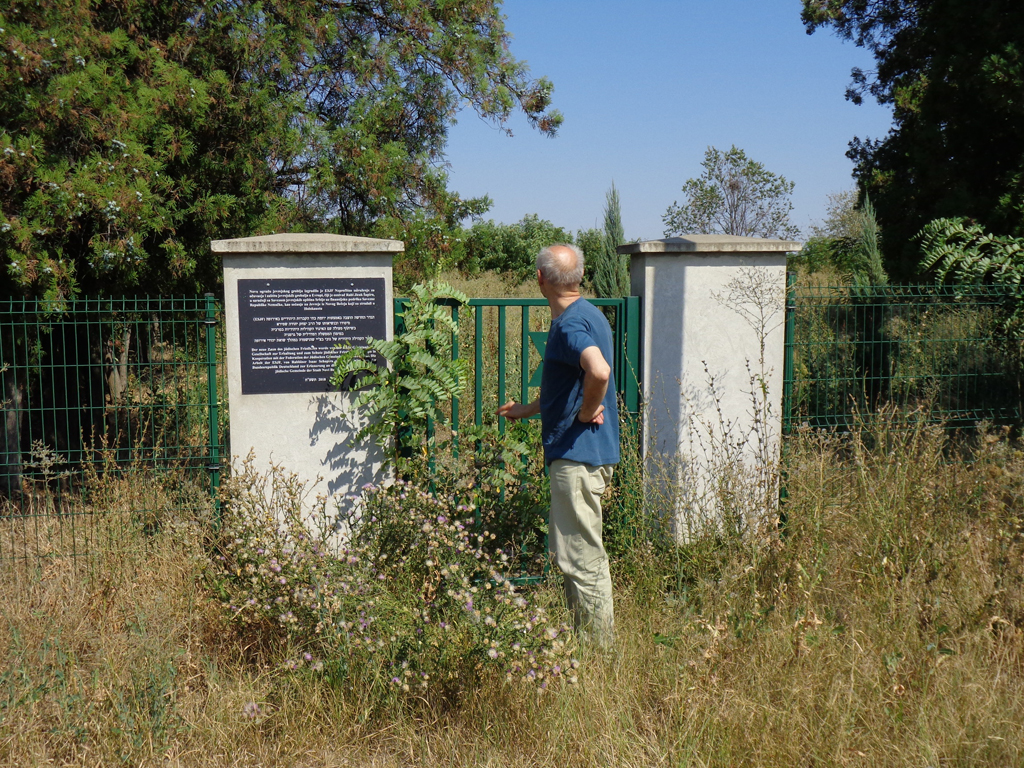
The Jewish cemetery in Novi Bečej was ransacked during the German occupation, while the Jewish population was imprisoned and murdered. Lately an international initiative is engaged in maintaining the traces of Jewish life in Serbia.
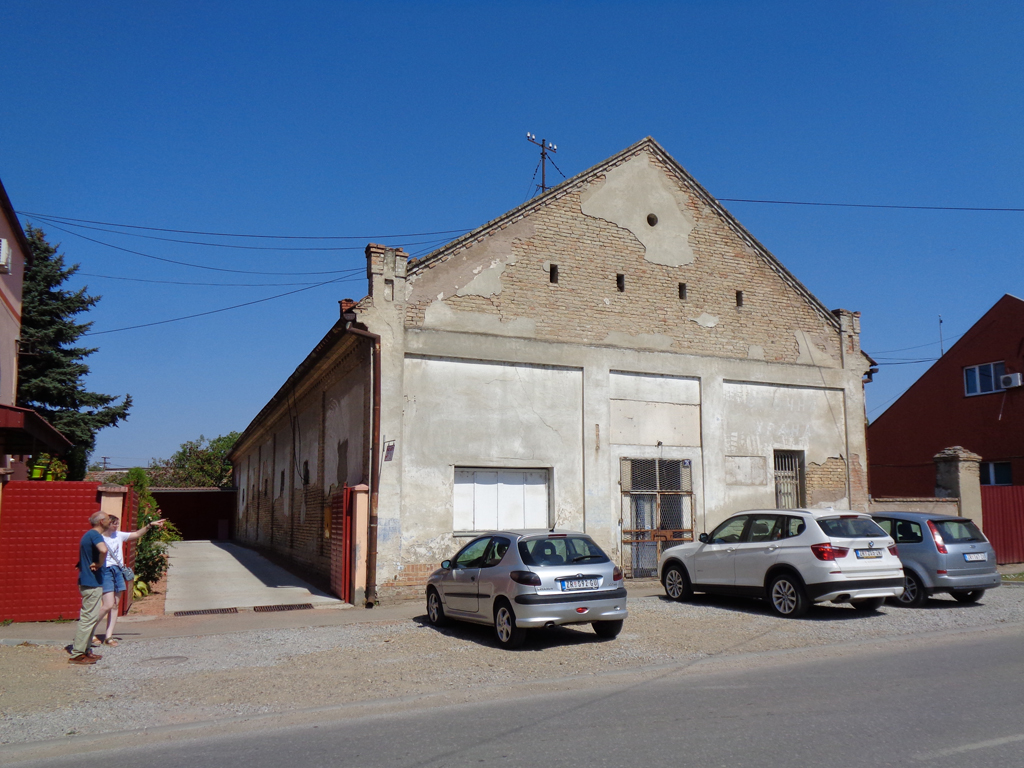
One of Novi Bečej’s collection camps, formerly a grain store belonging to Natan Vajs. Initially, Jews were held here, followed by people who were being deportated to serve as forced laborers.
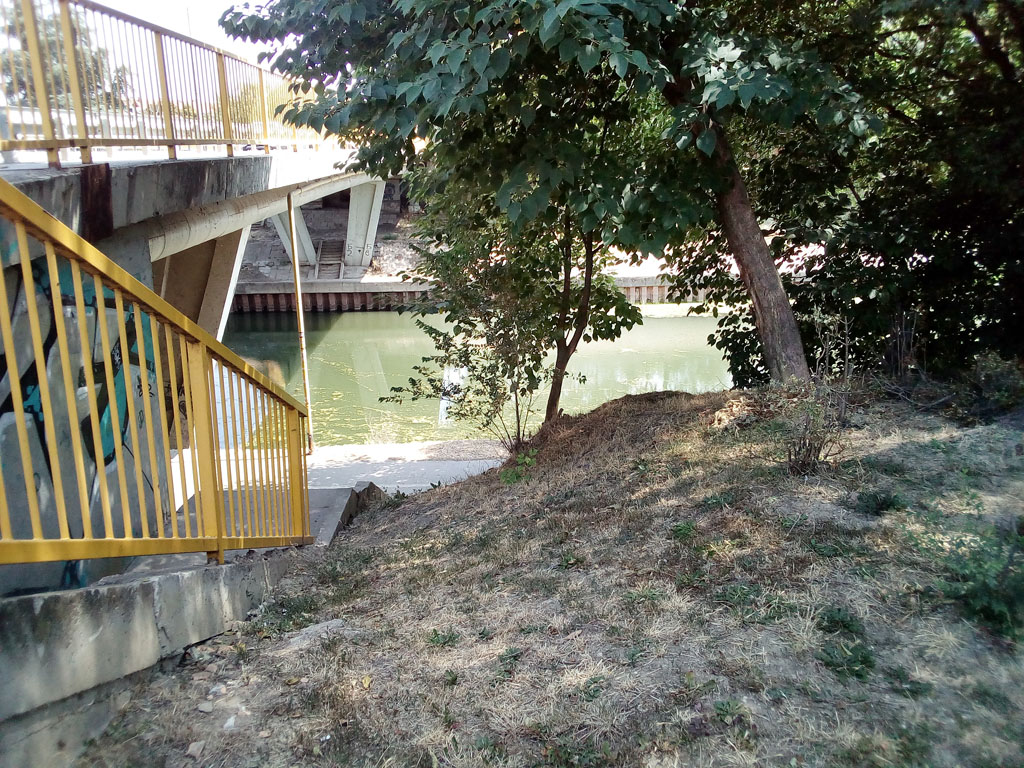
While Hanna traveled from Bečej to Novi Sad, Christian visited Zrenjanin. Previously known as Becskerek/Petrovgrad, it was the home town of Jovan Rajs. (Vajswerk was founded in 2015 with “Das Spiel von Dina und Jovan”.) Jovan Rajs’ childhood home was razed to make way for the rerouting of the Begej River.
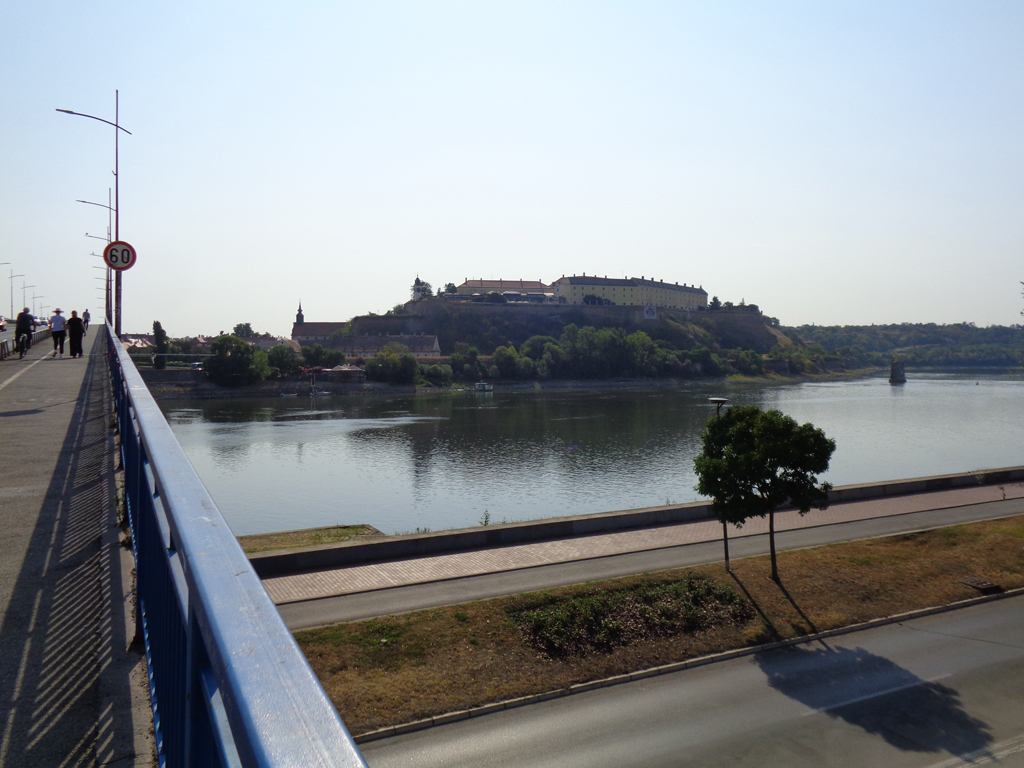
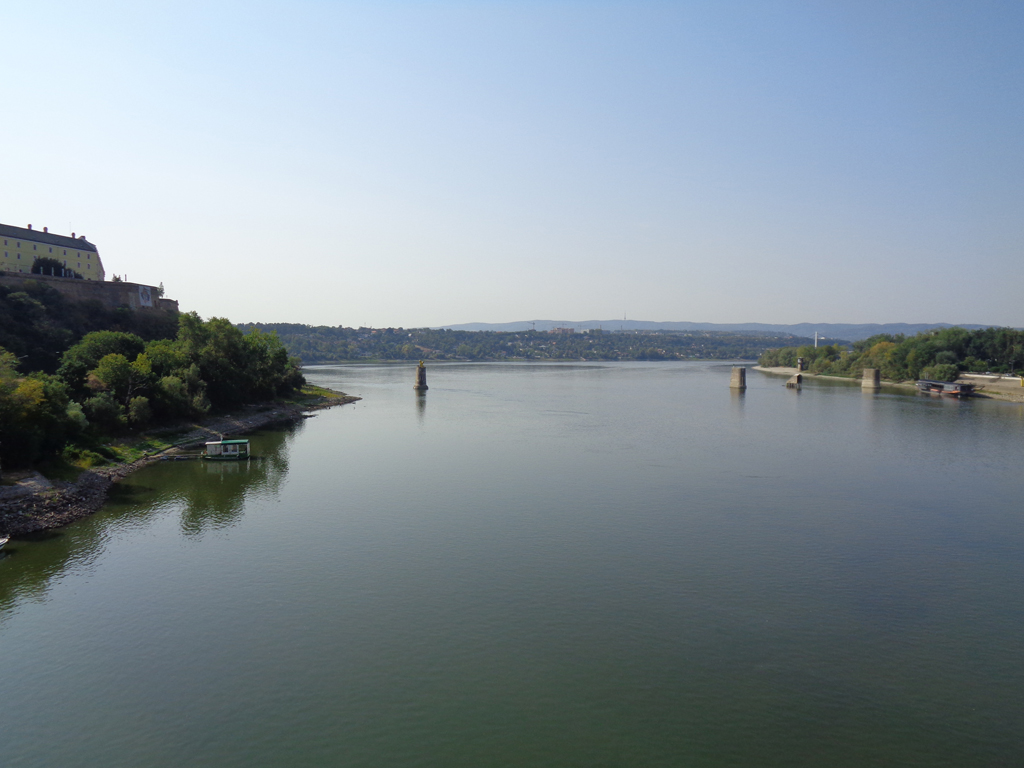
While Christian traveled to Zrenjanin (and Belgrade), Hanna went from Novi Bečej to Novi Sad. The Danube was a major route for deportations of the Jewish population and of forced laborers.
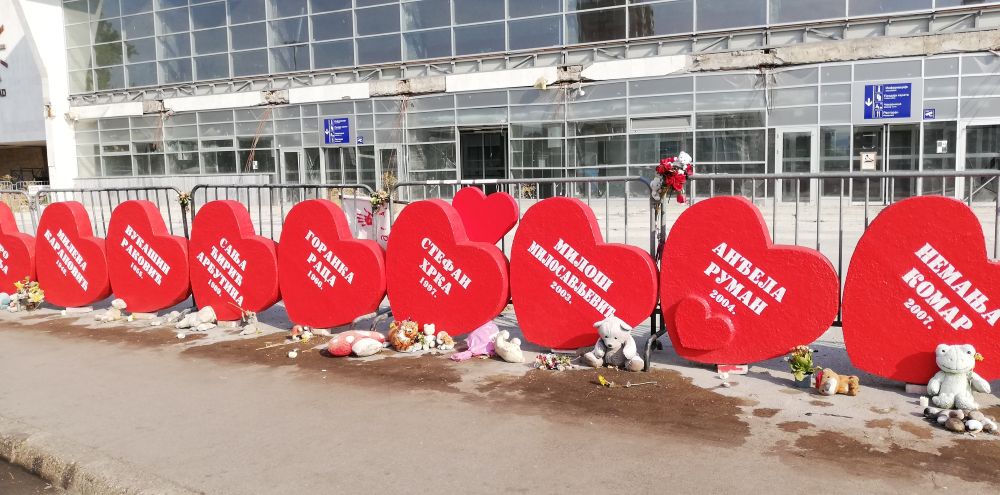
Novi Sad Central Station, commemorating the 16 people who died when the station’s poorly constructed roof collapsed on 1 November 2024. Novi Sad is where country-wide protests against the Vučić system started in 2024.
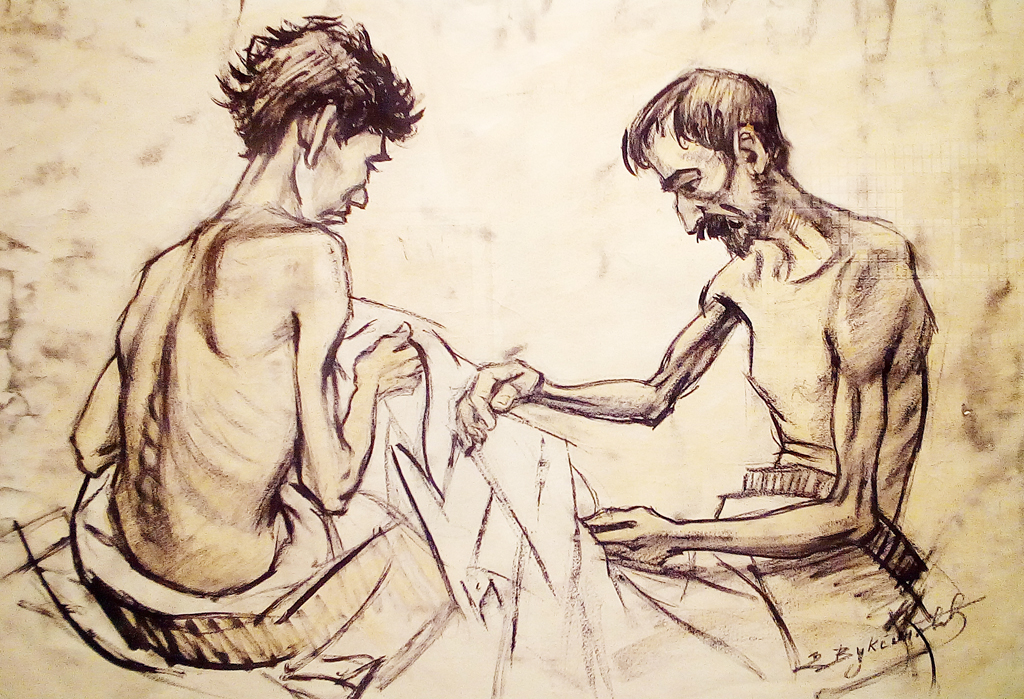
The Museum of Yugoslavia’s exhibition of artifacts from World War II mentions the deportations to Norway and the German camps there.
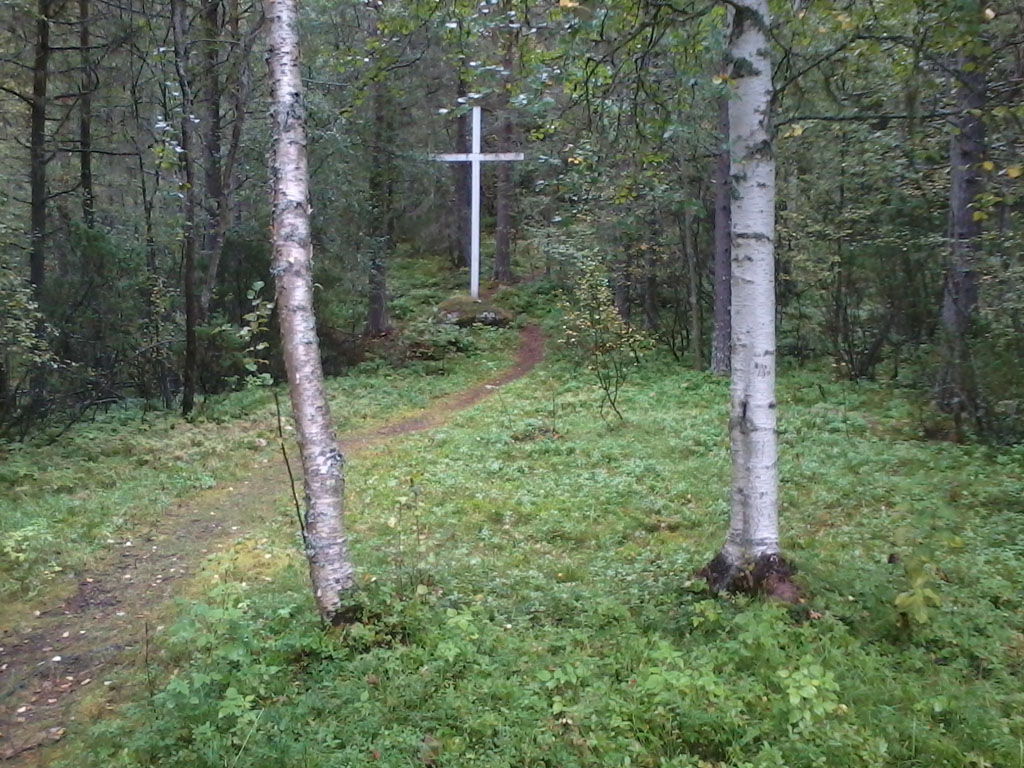
The central burial site for Yugoslavian forced laborers in Norway, near the former Botn camp outside Rognan. A destination for the third “Code Viking 1942-2021” follow-up project?